Coach Charter for Government Agencies: Documents and TOR Requirements
Published
Coach charter for government agencies is rarely difficult because of a shortage of bidders — there are plenty. It becomes difficult when requirements are written so broadly that the returned quotations cannot be compared, leaving the buyer choosing largely on price while carrying responsibility for the safety of forty-plus colleagues.
In this article
- Documents to collect
- What to specify in the TOR
- How booking works
- What to check at inspection
- FAQ
Documents to Collect
- The operator's company registration certificate
- The passenger insurance policy schedule showing per-seat cover
- Tilt-test evidence for double-deck vehicles
- Standards certification such as SHA
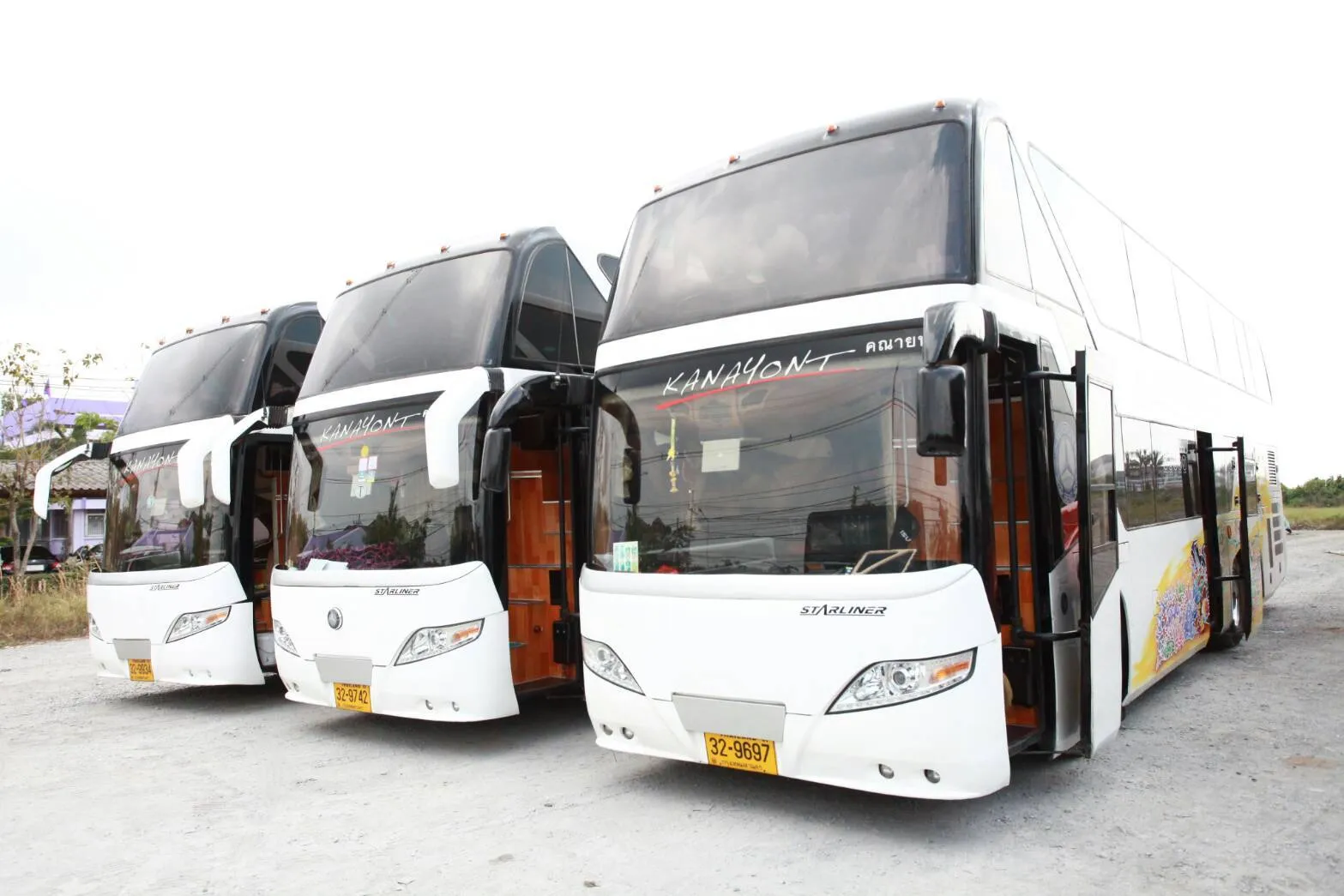
- The registration number of the vehicle actually assigned
- An itemised quotation
What to Specify in the TOR
Well-written requirements filter bidders at the first stage instead of producing a problem at inspection. Worth specifying:
- Vehicle class and seat count — e.g. VIP air-conditioned coach, not fewer than 48 seats
- Minimum passenger insurance per seat — state the figure; see passenger insurance
- Tilt-test evidence for double-deck vehicles — see Are double-decker coaches safe?
- Vehicles must be owned by the bidder — this prevents the problem described in own fleet vs. subcontracted
- GPS to Department of Land Transport specification
- Driver plan for overnight or long-distance work
Point 4 makes the largest difference and is the one most agencies omit.
How Booking Works
- Send the travel date, passenger count and pick-up and drop-off points
- The team proposes a suitable vehicle with a quotation
- Confirm the booking and agree the pick-up time
Cross-border work carries extra documentation steps — see Cross-border coach hire. To understand the cost structure before setting a budget, see How coach hire pricing works.
What to Check at Inspection
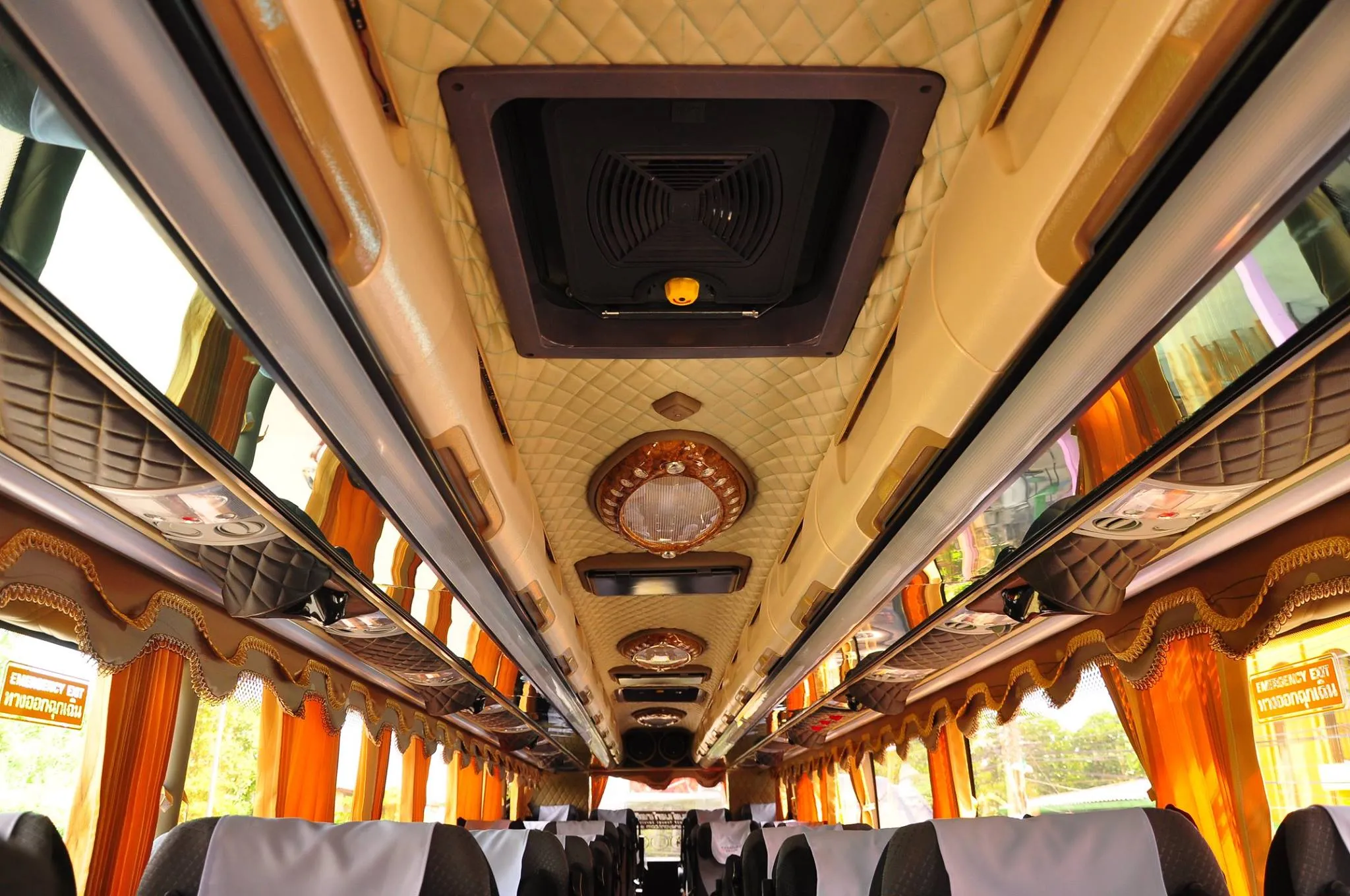
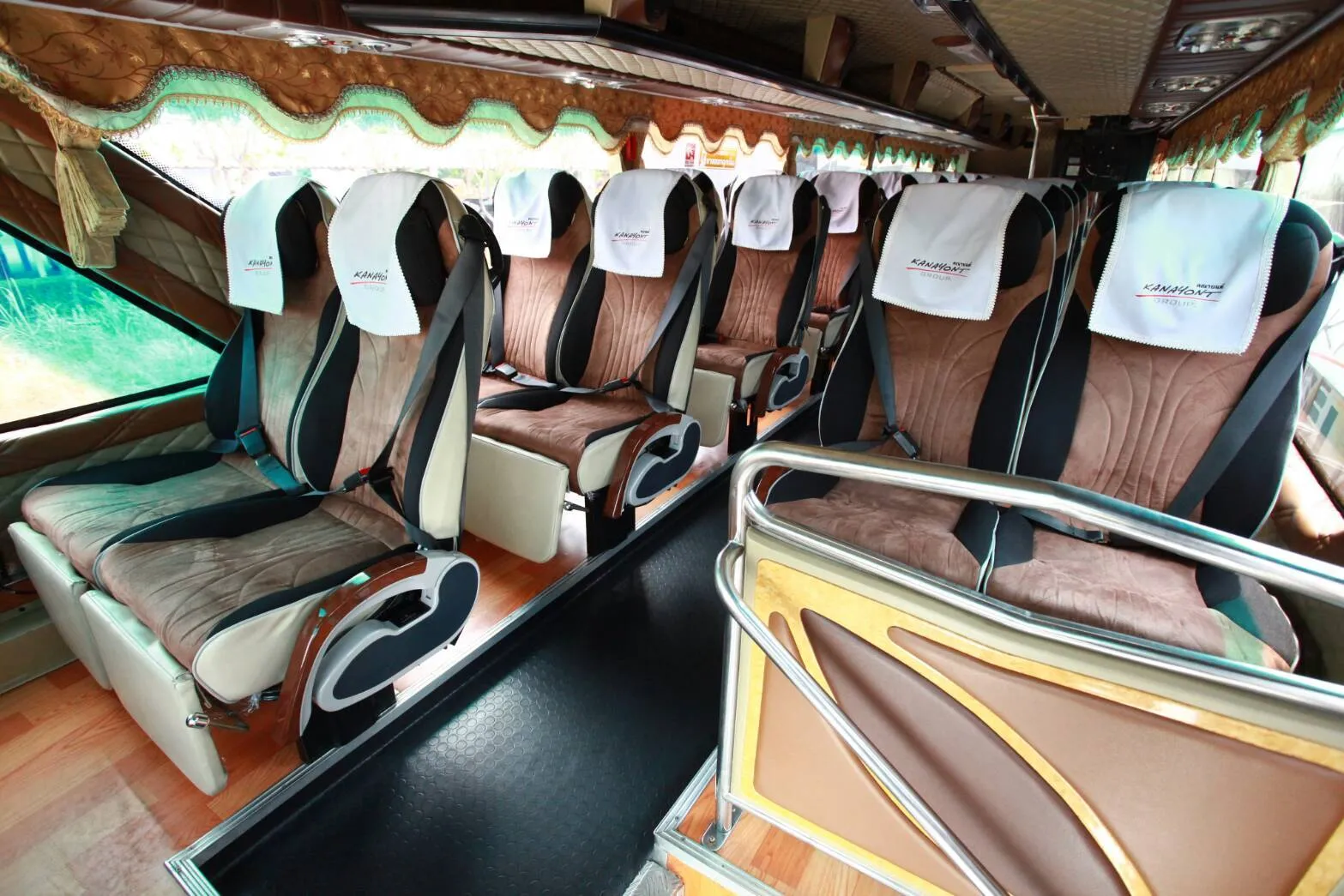
Check the registration number against the contract. Check the interior matches what was offered. Check the insurance notice is displayed in the vehicle. And record actual pick-up and drop-off times for the file.
Kanayont has served government bodies, state enterprises and private organisations for over thirty years, including the Ministry of Foreign Affairs, Ministry of Public Health, Provincial Electricity Authority, Sports Authority of Thailand, Tourism Authority of Thailand, Bank of Thailand, Mahidol University and Thammasat University.
Tips
Put the documentation requirements in the TOR rather than requesting them later — an operator holding complete paperwork can submit immediately. And where budget is constrained, make the safety requirements a pass/fail gate and compete on price only among those who pass.
Frequently Asked Questions
What should a coach hire TOR specify? At minimum: vehicle class and seat count, minimum per-seat insurance, tilt-test evidence for double-deckers, and a requirement that vehicles be owned by the bidder.
Can we request documents before bidding? Yes, and you should — it confirms bidders are genuinely qualified before price comparison begins.
Has Kanayont worked with government agencies? Yes, continuously, alongside state enterprises, universities and private corporates.
Can you issue an itemised quotation? Yes. Send your required document format along with the job details.
In Short
Smooth coach charter for government agencies begins with requirements written well, not with negotiating price at the final stage.
📞 Request a quotation or procurement documentation: Office 02-889-3458 · 083-556-8112 · Khun Thanat 096-592-5265 · LINE: kanayont.bus